
How To Manage Cold Chain Logistics
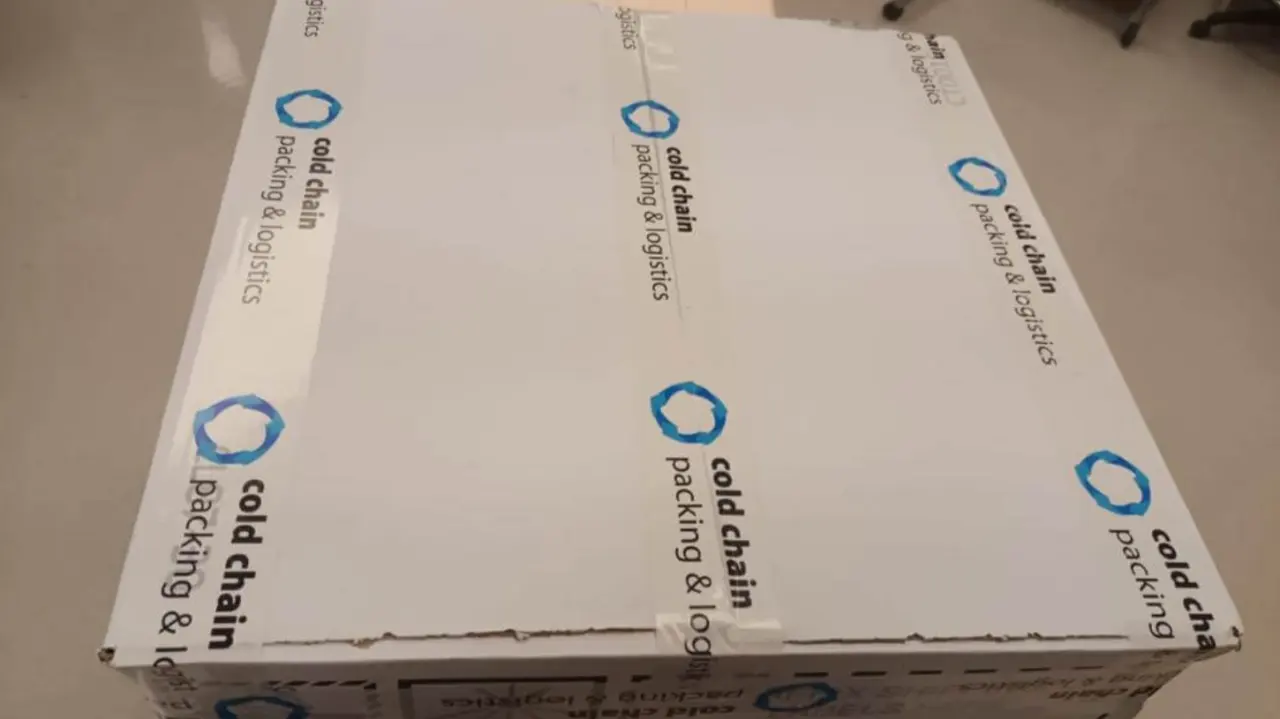
Efficient temperature control is the backbone of a successful cold chain, ensuring product quality and compliance with regulatory standards.
In today’s global economy, managing cold chain logistics efficiently is crucial for industries such as pharmaceuticals, food, and chemicals. Ensuring that temperature-sensitive goods remain within the required temperature range from the manufacturer to the end user requires meticulous planning, technological integration, and proactive monitoring.
By adopting best practices in cold chain packing & logistics, businesses can reduce risks, lower costs, and improve efficiency. Here are some expert tips to optimise your supply chain and ensure smooth operations in cold chain logistics.
1. Leverage Automation for Greater Efficiency
Automation plays a vital role in enhancing cold chain logistics. By integrating automated storage and retrieval systems, businesses can reduce human errors and improve handling efficiency. Temperature-controlled warehouses equipped with robotic handling systems ensure that products are stored and transported under optimal conditions, minimising the risk of spoilage.
Moreover, automated temperature monitoring systems provide real-time data, enabling logistics teams to take immediate corrective actions if a temperature deviation occurs. This is particularly critical in pharma logistics, where even slight temperature variations can compromise the efficacy of medical products.
2. Implement Real-Time Tracking of Inventory and Shipments
Effective inventory management is a cornerstone of successful cold chain logistics. Implementing a robust tracking system allows businesses to monitor stock levels, expiration dates, and temperature fluctuations throughout the supply chain.
IoT-enabled sensors, RFID tags, and GPS tracking devices provide real-time insights into the location and condition of shipments. This level of visibility helps prevent losses and ensures timely deliveries, ultimately improving customer satisfaction and compliance with regulatory standards.
3. Strengthen Relationships with Reliable Supply Chain Partners
A well-managed cold chain relies on a network of dependable freight forwarding and logistics providers. Choosing the right partners who have expertise in handling temperature-sensitive products is crucial to maintaining product integrity.
Before finalising partnerships, conduct due diligence on their capabilities, compliance records, and technological infrastructure. Establishing clear communication channels and setting expectations regarding temperature monitoring, reporting, and contingency plans will help mitigate risks and enhance reliability.
4. Establish a Single Point of Contact for Tracking and Coordination
One of the most common challenges in cold chain logistics is managing multiple stakeholders, including manufacturers, transport providers, warehouse operators, and retailers. Having a single point of contact for tracking and coordination streamlines communication and minimises errors.
A dedicated logistics manager or a centralised control tower approach can oversee all aspects of the cold chain, ensuring that real-time data is shared across all touchpoints and that any potential issues are addressed promptly.
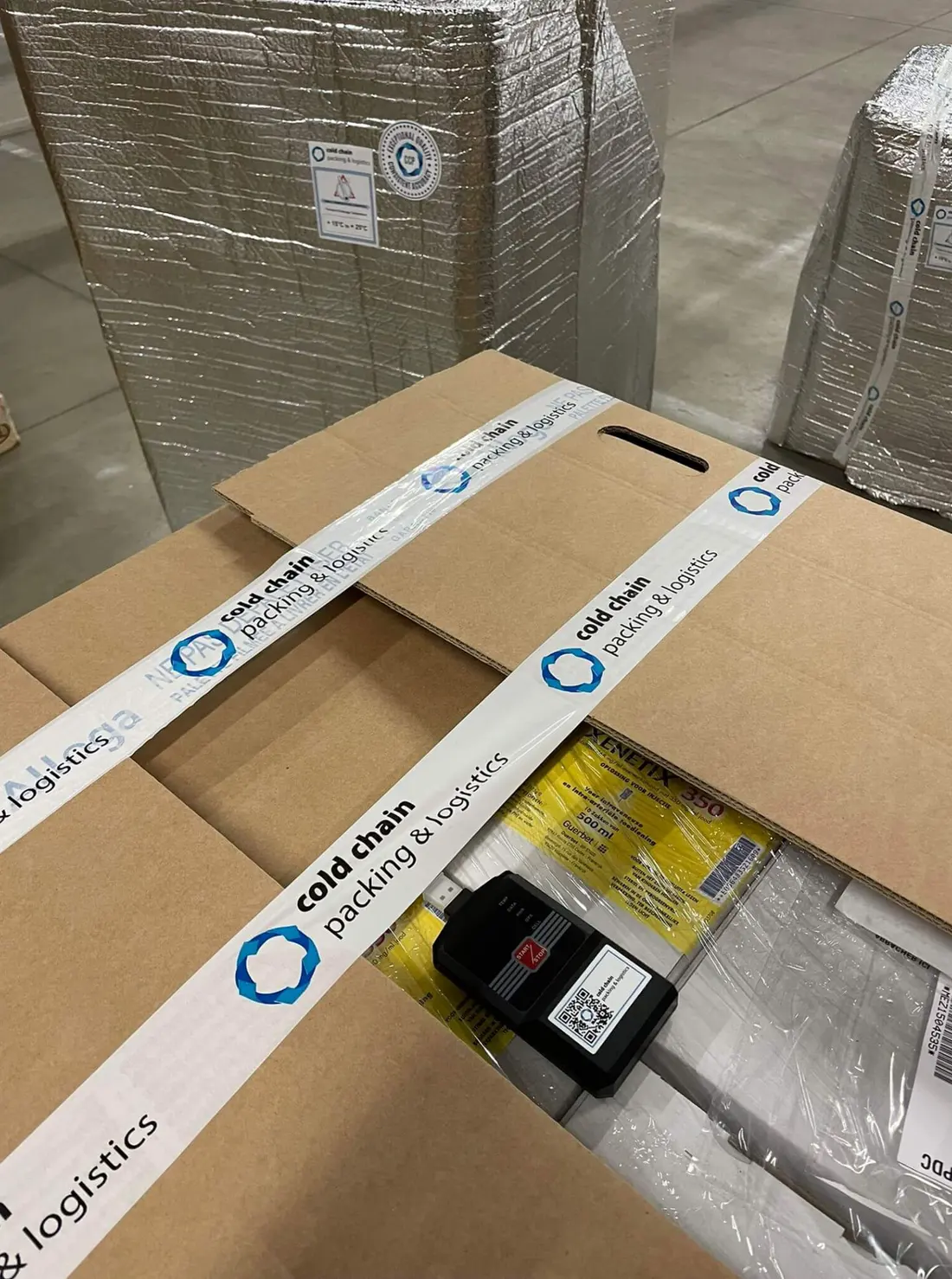
5. Optimise Packaging to Maintain Temperature Stability
Packaging is a critical component of cold chain packing & logistics. High-quality insulated packaging, phase change materials, and dry ice can help maintain the required temperature throughout transit.
Additionally, selecting the right packaging materials based on the product type, transit duration, and environmental conditions will reduce the risk of spoilage and enhance cost-efficiency. Investing in reusable and eco-friendly packaging solutions can also contribute to sustainability goals while maintaining product integrity.
6. Conduct Regular Compliance Audits and Risk Assessments
Compliance with industry regulations and standards is non-negotiable in cold chain logistics. Regular audits and risk assessments help identify potential vulnerabilities and ensure adherence to best practices.
By reviewing processes, equipment, and documentation regularly, businesses can stay ahead of regulatory requirements and avoid costly penalties. This is especially critical in pharma logistics, where non-compliance can lead to severe consequences such as product recalls or legal liabilities.
7. Implement Contingency Plans for Emergencies
Unexpected delays, power failures, and equipment malfunctions can disrupt cold chain operations. Having a contingency plan in place ensures that businesses can respond effectively to unforeseen challenges.
Developing backup strategies such as alternative transportation routes, emergency power sources, and secondary storage facilities can help mitigate risks and prevent product losses.
8. Train Employees on Cold Chain Best Practices
A well-trained workforce is essential for maintaining the integrity of the cold chain. Providing regular training on handling procedures, temperature monitoring, and regulatory compliance ensures that employees are equipped with the knowledge and skills needed to uphold quality standards.
By fostering a culture of accountability and continuous learning, businesses can minimise errors and enhance overall operational efficiency.
Bottom Line:
Managing cold chain logistics effectively requires a strategic approach that integrates technology, strong partnerships, and proactive risk management. By leveraging automation, tracking inventory in real-time, optimising packaging, and ensuring compliance, businesses can improve efficiency and maintain the quality of temperature-sensitive products throughout the supply chain.
Partnering with experienced freight forwarding providers and investing in continuous employee training further enhances cold chain performance. With the right strategies in place, businesses can streamline their logistics operations, reduce costs, and ensure that products reach their destination in optimal condition.
For more information on how to optimise your cold chain logistics, visit CCP Logistics today.